A kettle cosy is a small purchase, which is exactly why it is easy to get wrong. The photo shows a plump knitted dome with a cheerful pompom; the parcel arrives with something that fits like a sock on a teapot and slides off the moment you lift the kettle. None of that is anyone's fault. Kettles vary, and cosies are usually sold by look rather than measurement. Run through the checks below before you order, and you will only spend your money once.
Begin With the Kettle, Not the Cosy
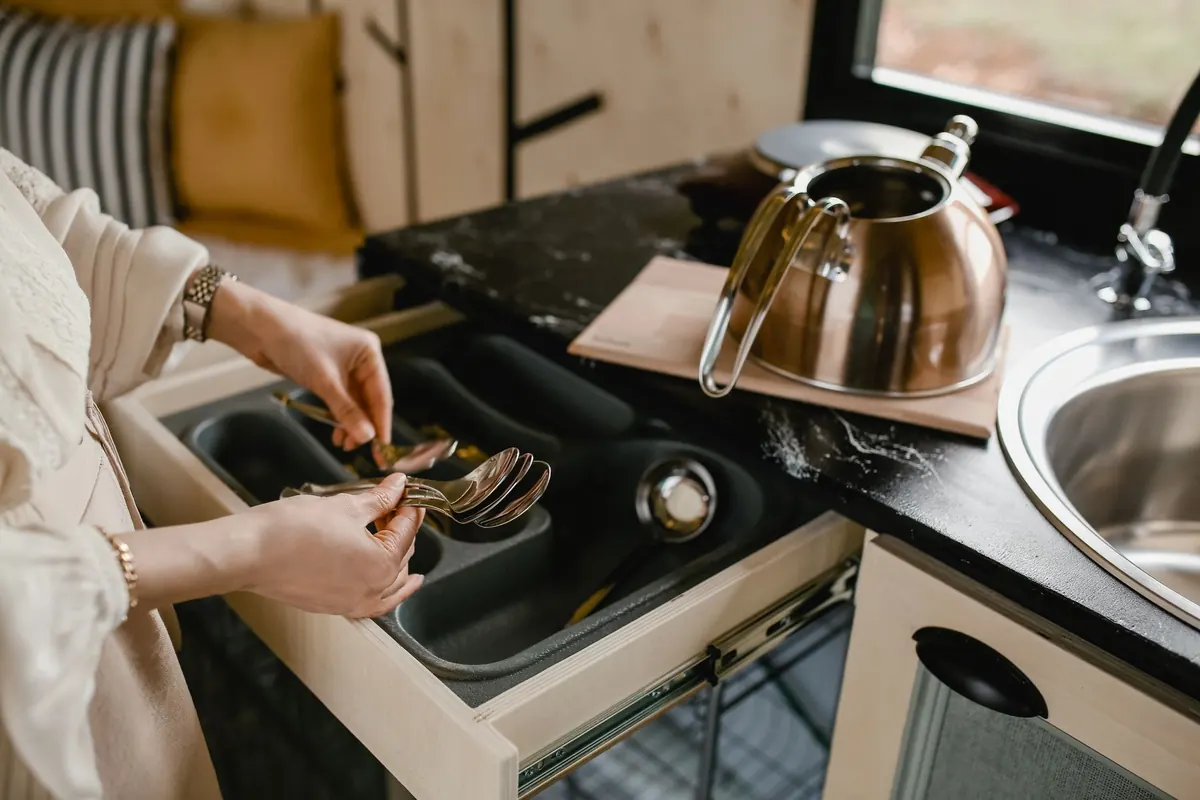
Look at the kettle on your counter before you look at any listing. Is it a tall cylinder, a squat dome, or a classic whistling shape with a curved handle arcing over the top? Cosies are built for a limited number of these shapes.
A fit-over dome drops down over the whole body and lid. A wrap style covers the sides only and fastens at the front with Velcro, buttons or a drawstring. A cosy cut for a teapot will not stretch to a 1.7-litre electric kettle, no matter what the listing implies.
Now check where your handle sits. If it arcs over the lid, you need a cosy with a generous gap or a slit at the top, otherwise the fabric bunches and the cosy never settles. If the handle is on the side, confirm that the openings line up with both the handle and the spout. Spouts vary in height too, and a cosy with a low spout opening will sit crooked.
Measure Three Things, Then Add Ease
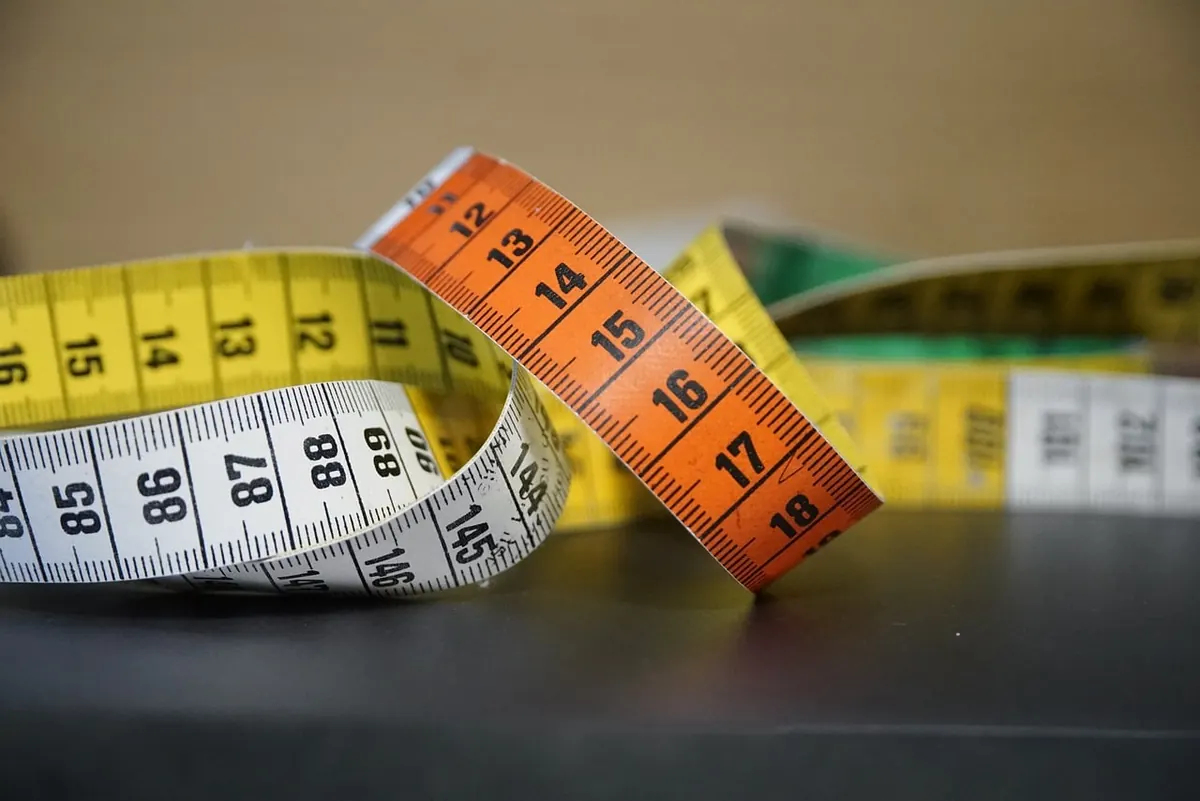
Use a soft tape measure, or a piece of string and a ruler. You need:
- Height — from the base to the top of the lid, handle excluded.
- Circumference — around the widest part of the body, usually just above the base.
- Handle and spout clearance — the distance from the top of the body to the underside of the handle, and the height of the spout mouth.
Write the numbers down. Then add two to four centimetres of ease to the circumference so the cosy slips on and off without a fight. A cosy that fits like a second skin is awkward to remove while the kettle is hot, and one that is too loose lets warm air escape around the edges.
If a listing gives only a single measurement, ask the seller for height and base circumference before buying. If you are buying as a gift and cannot measure anything, choose a wrap style with an adjustable fastening. It forgives far more than a fitted dome.
Fabric and Lining: What Actually Holds Heat
Trapped air between fibres does the insulating. The fabric is just the container. That is why a thick, dense cosy outperforms a thin decorative one, and why two layers beat one.
- Wool and felted wool: warm, breathable, holds its shape. Expect shrinkage if washed carelessly, and moths if stored dirty.
- Quilted cotton with wadding: easy to wash, decent mid-weight insulation, usually cheaper and available in more colours.
- Fleece and technical synthetics: quick-drying and light, less prone to shrinking, but they can pill and hold onto cooking smells.
- Foiled or reflective linings: bounce radiant heat back toward the kettle. Useful, but only if the outer layer is thick enough to slow conduction.
A blend is often the sensible compromise: wool for warmth, a little synthetic for durability and easier laundering. If the seller lists a fabric weight, a heavier one generally insulates better than a lighter one of the same type.
Check the Fastenings and the Seams
Small design choices decide whether you use the cosy daily or push it to the back of a drawer.
Look for openings that are bound or reinforced so they will not fray. Elasticated bases grip a straight cylinder well but can feel tight on a tapered body. Drawstrings and ties adjust, though you will retie them often. Velcro is quick but collects lint and can snag knitwear. Buttons are charming and slower to do up.
Seams matter more than most shoppers expect. Flat, overlocked seams sit neatly against the kettle; bulky raw seams leave a ridge and can rub. And if the cosy is destined for a stove-top kettle, it must clear the flame or burner completely. Fabric should never overhang a heat source.
Care: Read This Before You Buy
Anything that lives beside steam and kitchen grease will need washing eventually. Find the care instructions on the listing and be honest about whether you will follow them.
- Machine washable at 30°C or on a wool cycle is the easiest option.
- Hand wash only is fine if you have a basin and the patience.
- Assume no tumble drying for wool or anything felted.
- Dry flat, reshaping while damp.
Wool can felt and shrink several sizes, so a wool cosy washed hot may come out fit only for a mug. Dark dyes can bleed on the first wash, so keep colours separate. Store the cosy clean and bone dry, and consider a zip bag or a few cedar blocks if moths have been a problem in your home.
Testing Heat Retention Without the Hype
You can judge insulation yourself with an inexpensive kitchen thermometer. Boil the kettle, put the cosy on, and note the water temperature at ten, twenty and thirty minutes. Repeat without the cosy on another day and compare. You are looking for a slower fall, not a magical one. A cosy buys you time; it does not keep water at a boil.
Keep the cosy off while the kettle is heating, and never leave it on a hotplate or over an open flame. If your kettle has exposed elements or ventilation slots, do not cover them.
The Final Checklist Before You Order
- Kettle shape, handle position and spout height identified.
- Height, circumference and clearance measured, with ease added.
- Fabric and lining suited to your kitchen and washing habits.
- A fastening style you will genuinely use.
- Care instructions you can realistically follow.
- Returns policy read, especially for made-to-order cosies.
If a listing cannot answer most of these points, treat that as your answer. There are plenty of cosies that will, and one of them is about to fit your kettle properly.
Photo: jhenning / Pixabay