A kettle is one of the few objects in a house that gets handled, heated and refilled every day, so the ones that survive carry their history in the metal rather than on a label. Hang it on a wall or paint it black and much of that history disappears. The useful clues are structural: how the handle is fixed, how the spout is shaped and joined, what is stamped into the base. Those details outlast the finish.
No set of clues will hand you an exact year, and anyone who offers one from a photograph is guessing. What the details can do is place a kettle in a rough period and point to a likely country of manufacture — enough to decide whether it deserves careful restoration, a shelf, or a trip to the charity shop.
Start at the handle, because handles change faster than bodies
Handles are broken, replaced and repaired far more often than any other part of a kettle, which makes them a fast-changing feature and a good place to begin. A handle that matches the body in material and patina is usually original. A mismatched one tells you someone has already been at work.
How the handle is attached
Attachment is the single most useful detail. A loop handle cast as one piece with the body points to sand casting, a method that leaves a slightly rough, sandy texture and sometimes a small nub of metal where the mould was filled — the gate mark. Riveted or bolted mounts belong to assembled kettles, built from separate pieces. Count the rivets and study their heads: hand-hammered copper rivets sit unevenly and are often flattened by hand, while machine-set rivets are uniform and tight. Spot welds — small circular depressions with no rivet head — only became practical for household metalware in the twentieth century, so a kettle held together by spot welds is later than one that is riveted or soldered throughout.
What the grip is made of
Wood, bone and leather have been used for grips for as long as kettles have existed, so wood alone proves nothing. Moulded plastics date better. Bakelite and similar early materials show a fine seam from the mould, often a faint moulded number, and a dull, dense surface with no grain. They appear on domestic kettles from the early twentieth century and were gradually replaced by cheaper, brighter plastics after the Second World War. Later still come painted steel and aluminium grips, and modern heat-resistant plastics that stay cool to the touch.
Worth writing down before you look anywhere else:
- Material and colour of the grip, including any crazing or fade
- Number and type of rivets at each mount, and whether the heads are uniform
- Presence of spot welds, brazing or a visible band of solder
- Whether the handle stands upright, folds, or swings as a bail
- Any stamped numbers or initials on the mount or socket
The spout tells you how the kettle was meant to be used
A short, wide spout set low on the body pours fast and fills easily from a jug or pump. A longer, tapered spout set higher gives a more controlled pour and keeps the hand further from the heat. Kettles built for a hearth or a range often have low-set spouts and rounded bases; kettles meant for a flat gas ring or an electric plate tend to have higher spouts and flatter bases that sit steady on the burner.
Whistling caps are a late nineteenth-century idea that spread widely in the twentieth. Look closely at the whistle itself. An early one is often a separate brass or nickel cap wired or screwed onto the spout, while later ones are pressed from a single piece of steel with a small hinged flap. Run a fingertip around the joint where the spout meets the body. A slightly thickened, painted-over band is a solder fillet, meaning the spout was joined by hand. A seamless joint with no thickening suggests a drawn or welded spout, which usually points later. Inside the spout, a small perforated disc or cone is a strainer, common on kettles made for hard-water areas and a sign the piece was built for daily use rather than display.
Maker's marks, numbers and other small print
Turn the kettle over first. Most marks sit on the base, followed by the underside of the lid, the handle socket and the base of the spout. Use raking light — a torch held almost flat to the surface — and a phone camera on close focus. Oxidation, paint and mineral scale all hide stamps, and the same raking light that reveals a mark will show you why scrubbing is a bad idea.
What you find will usually be one of a few things:
- A maker's name or initials, sometimes inside a shield or oval
- A capacity figure in pints or quarts, and sometimes a size number such as 2, 3 or 4
- A country of origin, or a phrase such as "British Made" or "Warranted"
- Foundry or pattern numbers, which identify a mould rather than a year
- A registration or patent number — the most datable mark you can hope for
Do not read size numbers as dates. A "3" on a cast iron kettle usually refers to capacity or pattern size, and the same number turns up on kettles made decades apart. Country-of-origin wording is more helpful, because import rules in several countries began requiring such marks in the late nineteenth century and the phrasing shifted over time: a country name alone, then "Made in" plus the country, then sometimes a town or region. Those changes give you brackets, not birthdays. If you find a patent or registration number, copy every character exactly and search the relevant national register, which is usually free to search.
Materials and joinery put the kettle in a bracket
Material narrows things quickly, provided you identify it properly. Cast iron is heavy, magnetic and shows the pebbled texture of a sand mould; early pieces often have a visible gate mark and a rough interior. Sheet metals — copper, brass, tin-plate, enamelled steel, aluminium — are lighter and were assembled rather than cast. Enamelled kettles in white, cream, blue or mottled finishes belong broadly to the late nineteenth and twentieth centuries, and the palette can hint at a decade, with deep blues and greens on white grounds feeling earlier than the pastels and two-tone schemes of the mid-century.
Joinery is the other half of the story. Hand-soldered seams, hammered surfaces and hand-set rivets suggest an earlier or more craft-based workshop. Uniform machine rivets, spot welds and perfectly even stamped bodies point to factory production. Aluminium kettles, stamped from sheet and joined by rivets or welds, are generally a twentieth-century form.
A short checklist for dating at the table
- Photograph the kettle from six angles in daylight before touching it.
- Note the base shape and where the spout meets the body.
- Describe the handle: material, mount, rivet count, any welds.
- Read the marks under raking light and copy every character exactly.
- Identify the body material and whether the inside is tinned, enamelled or bare.
- Compare your notes with dated examples in museum catalogues and collector forums.
Handle it carefully while you research
Old kettles often contain soft solder, tinning or enamel glazes that may include lead, and you cannot tell by looking. Keep an unidentified vintage kettle for display or for boiling water you will not drink, and if you want to use it in the kitchen, have it checked by a qualified restorer or your local environmental health service before you do.
Cleaning can wait. Warm water, a soft cloth and patience will remove surface grime without erasing the evidence. Avoid abrasive pads, dishwasher cycles and harsh acids, all of which attack tinning and dull enamel. Keep a small card with the kettle recording what you found and where, or build a photo folder on your phone. A kettle that has been quietly dated and left as found is almost always worth more — and more interesting — than one that has been polished into anonymity.
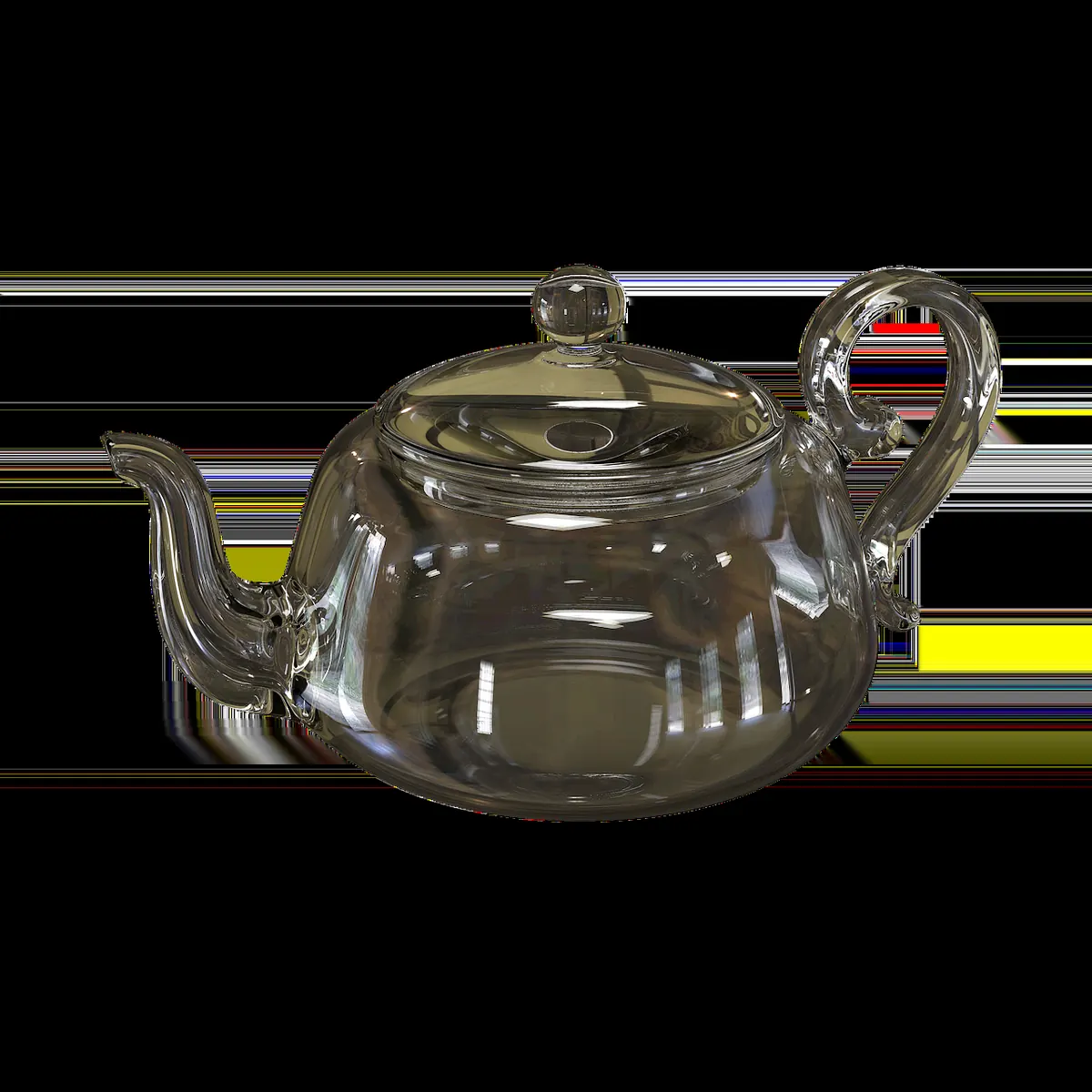
Photo: Agzam / Pixabay